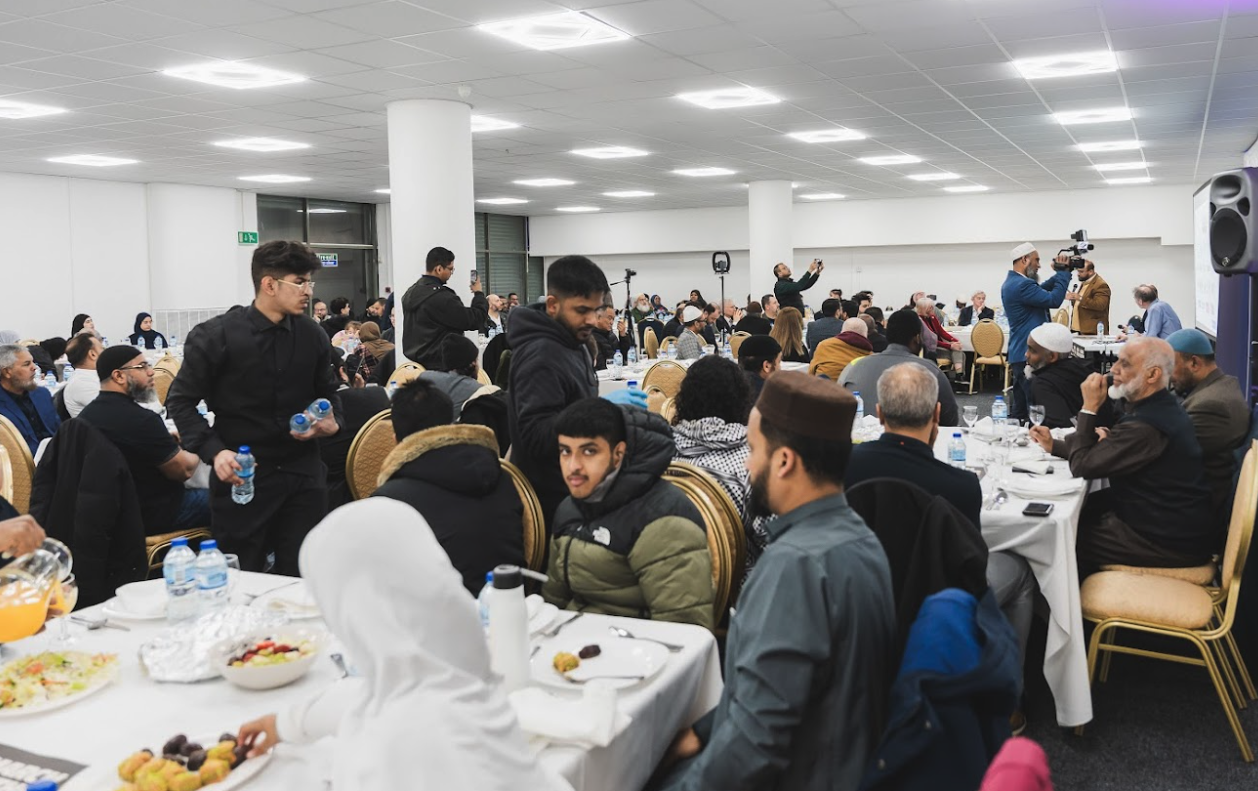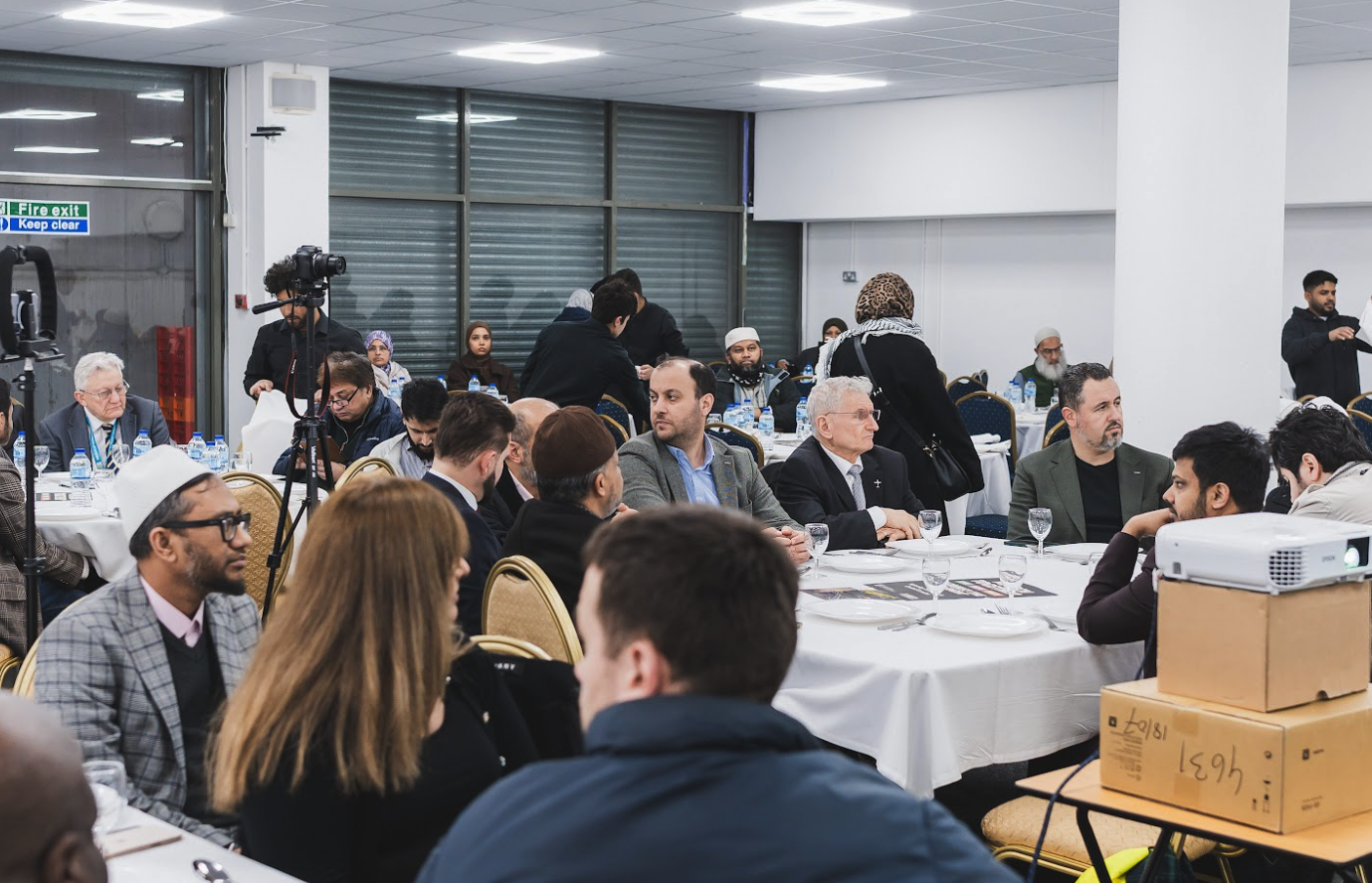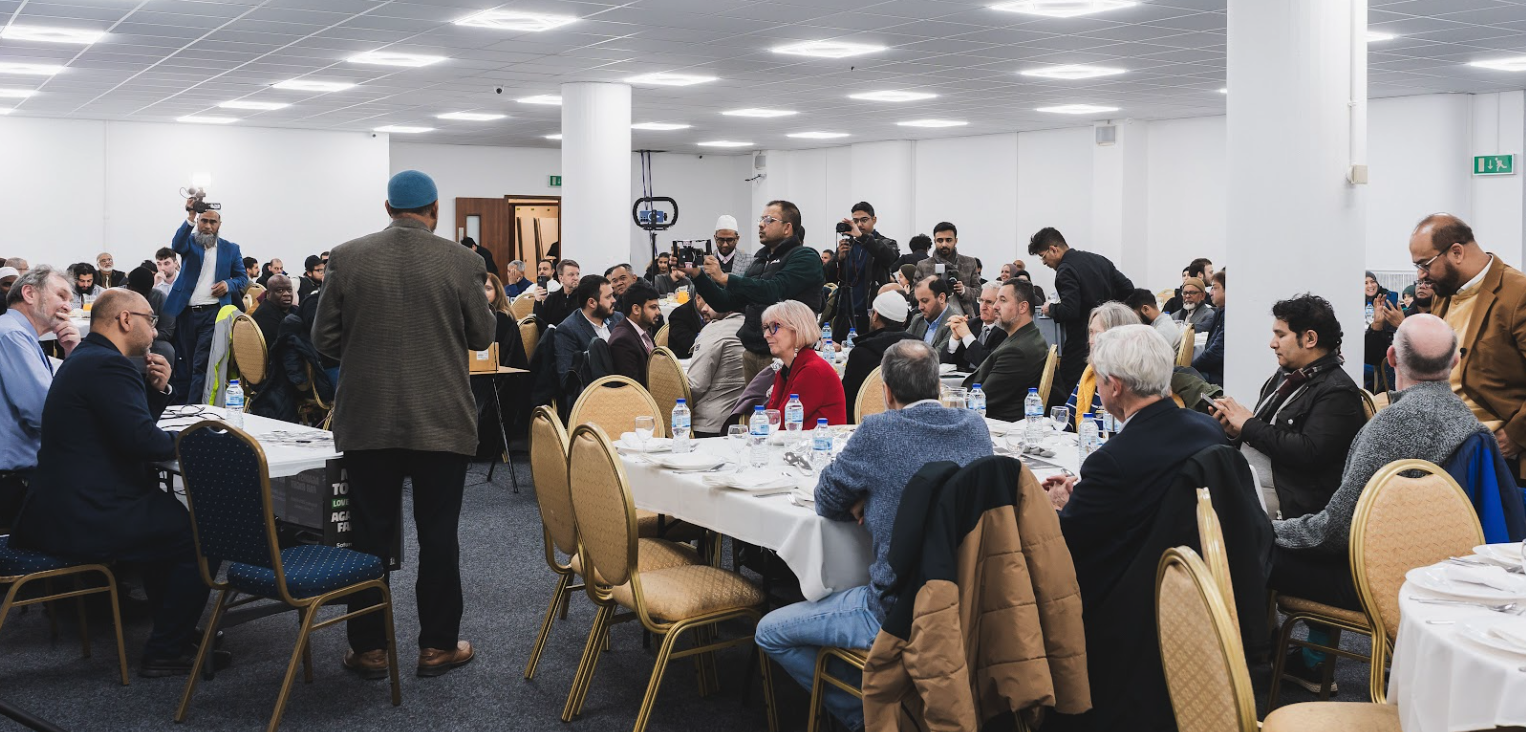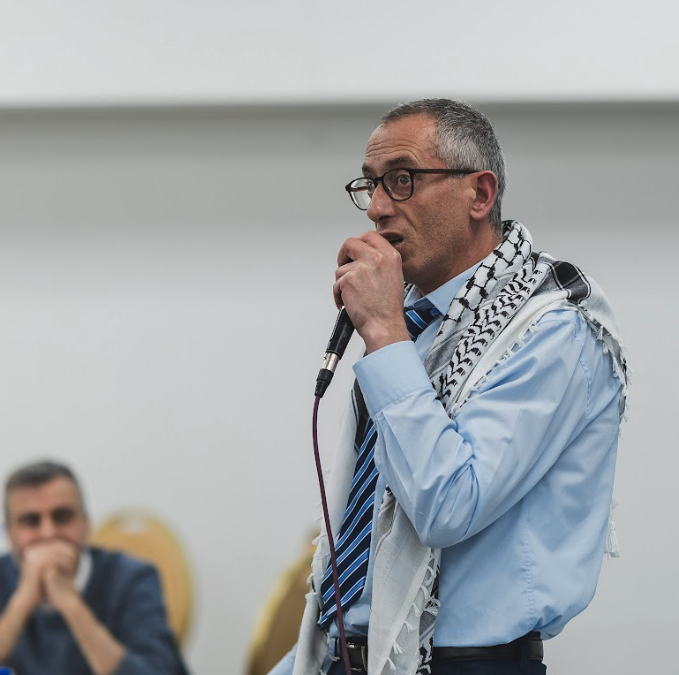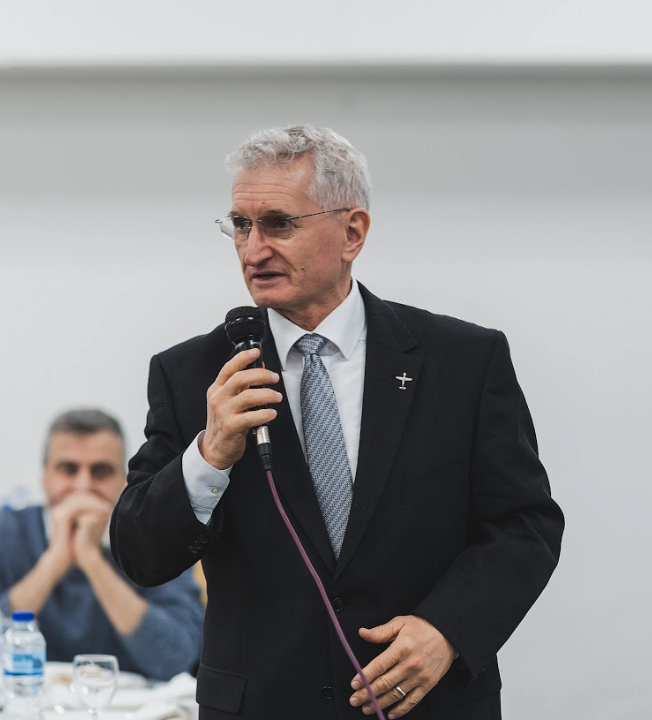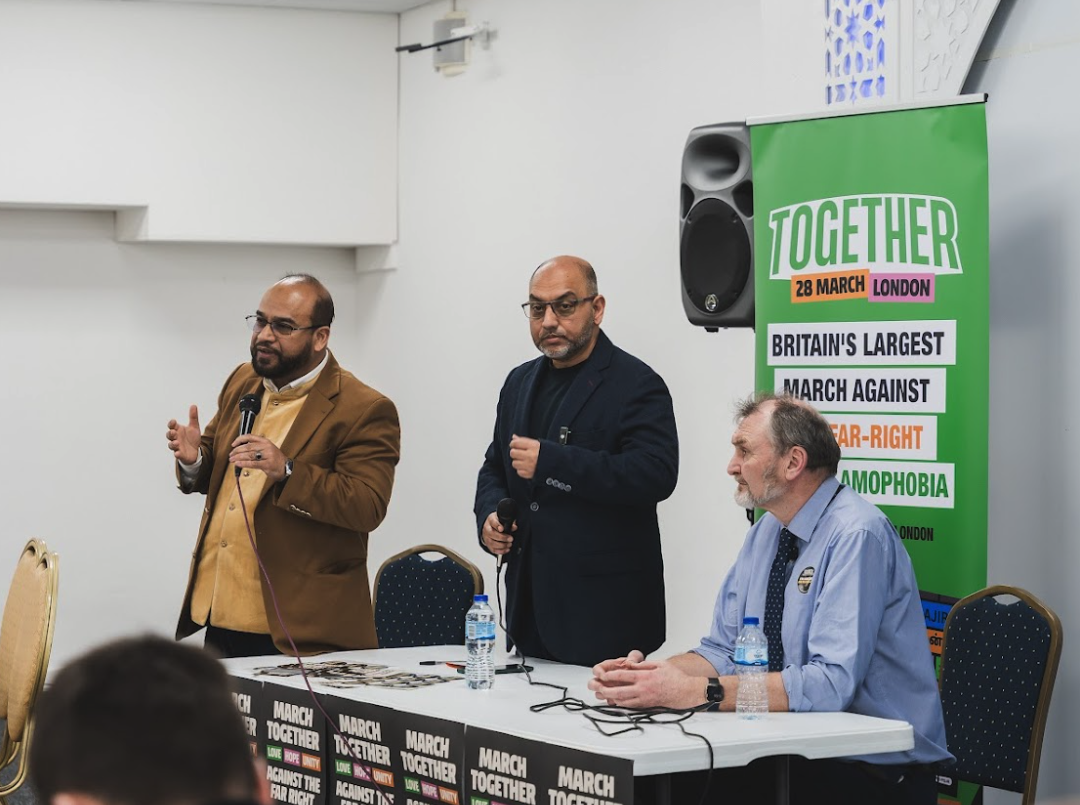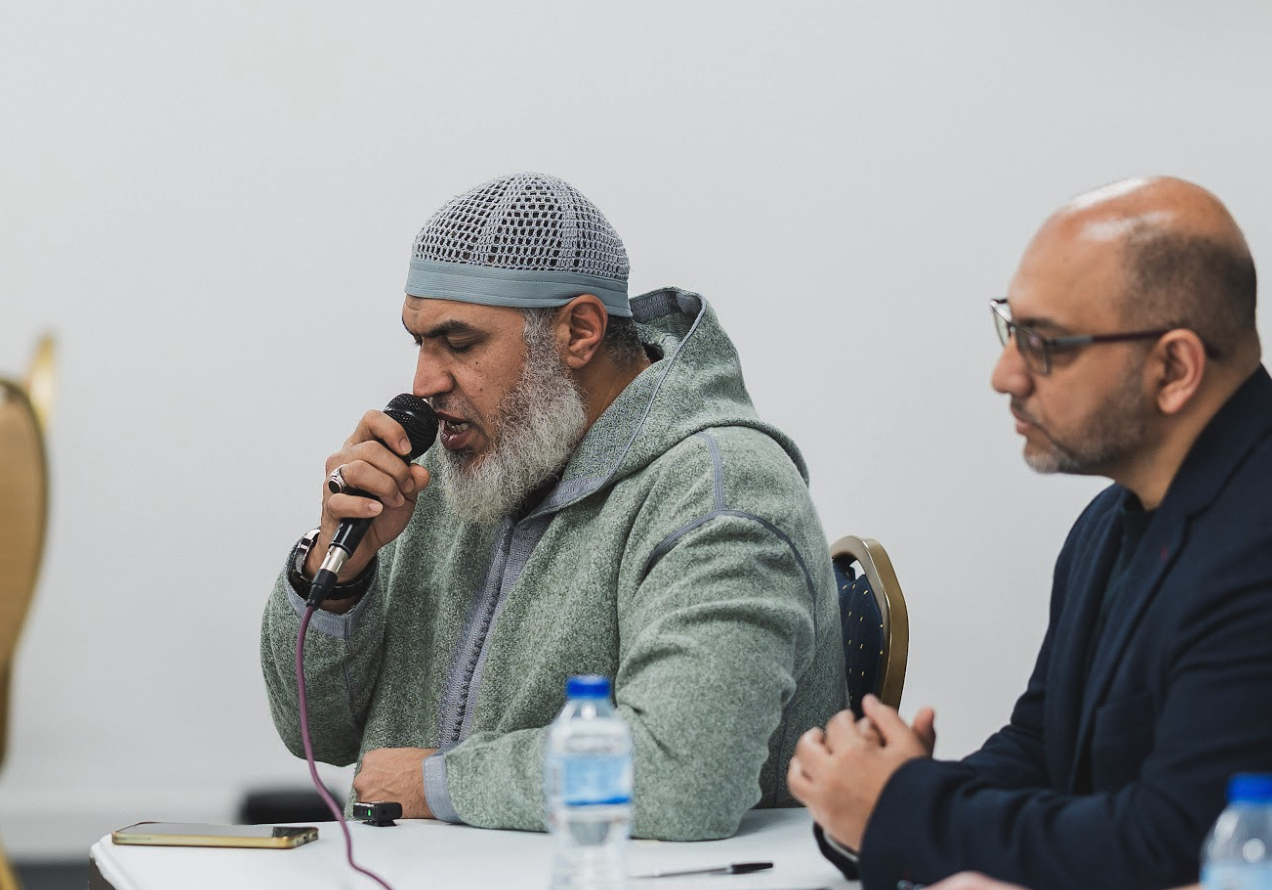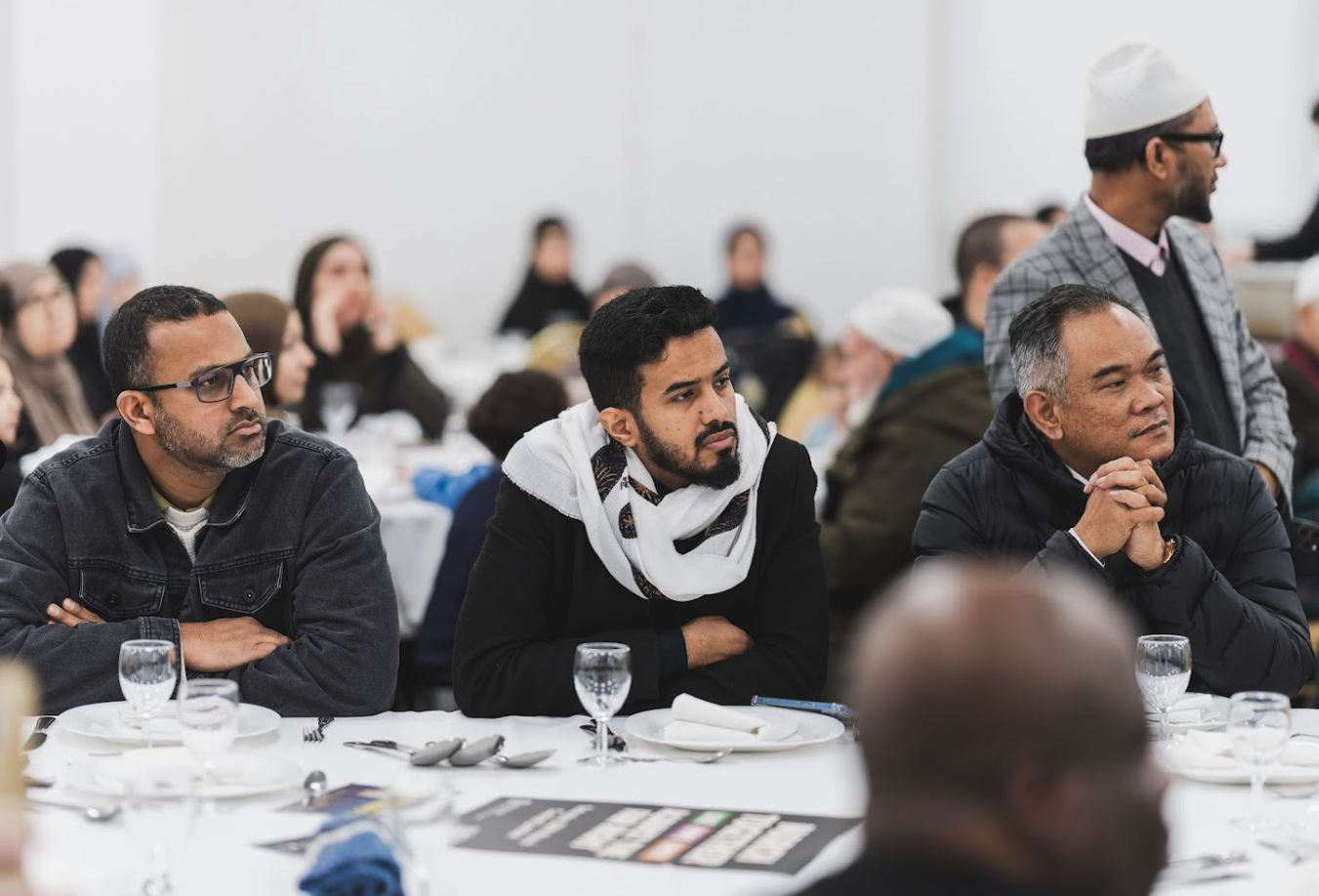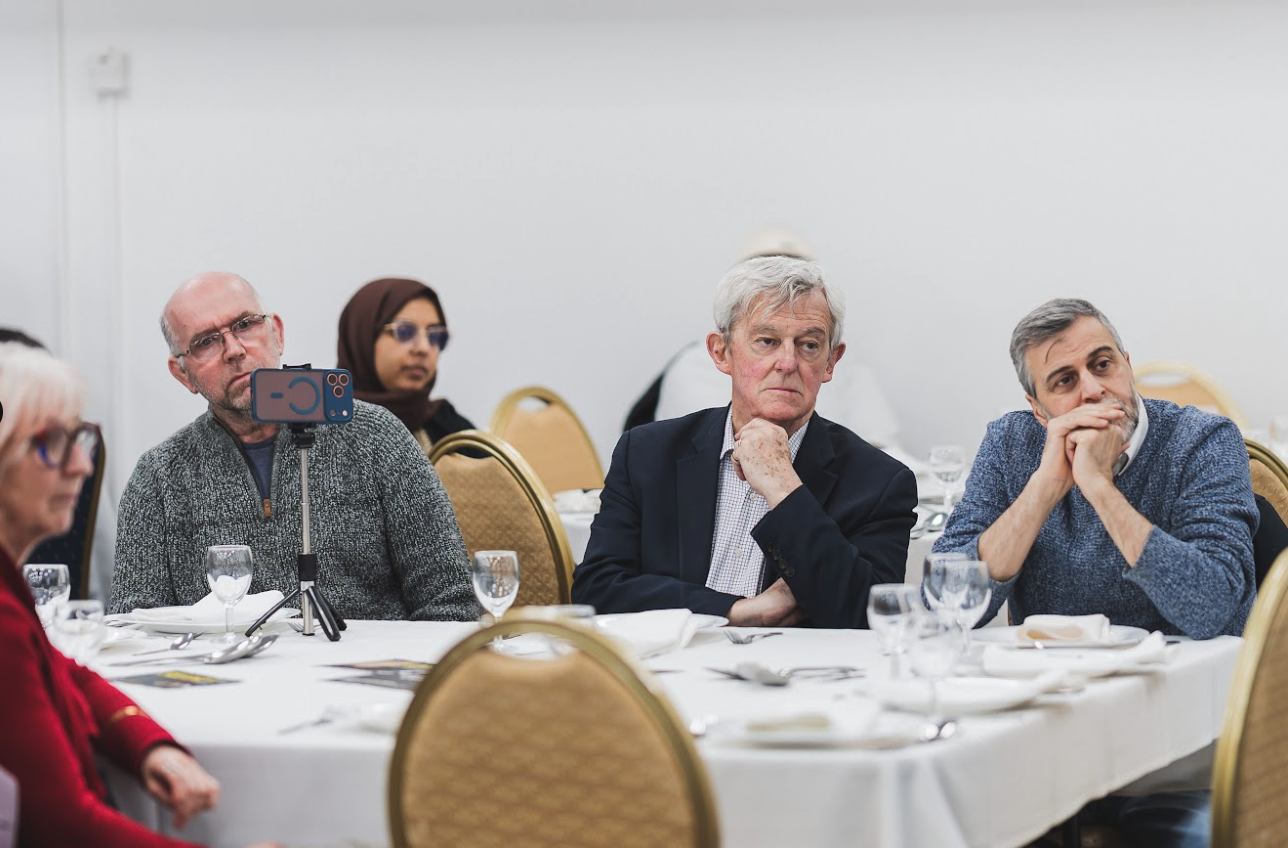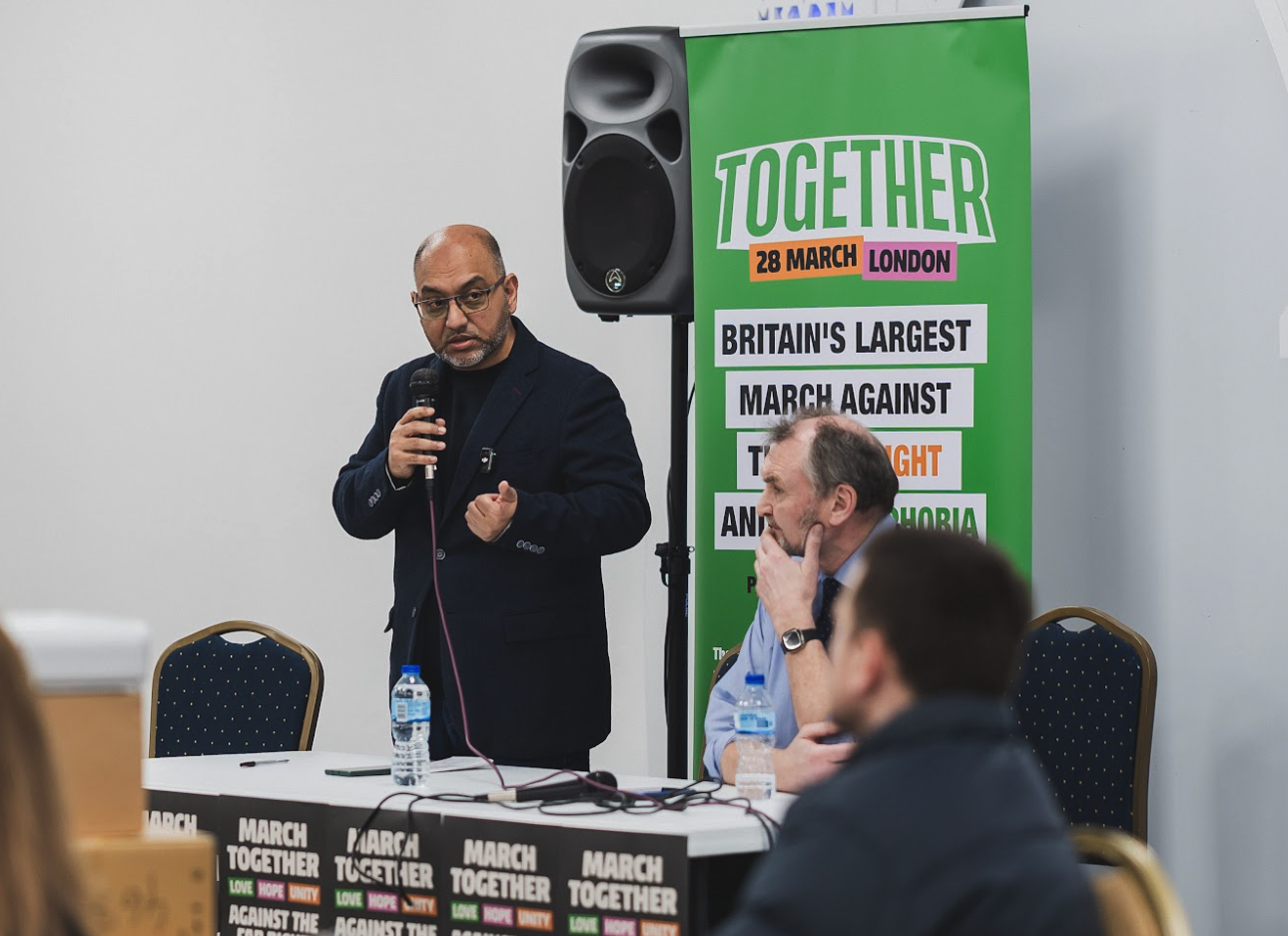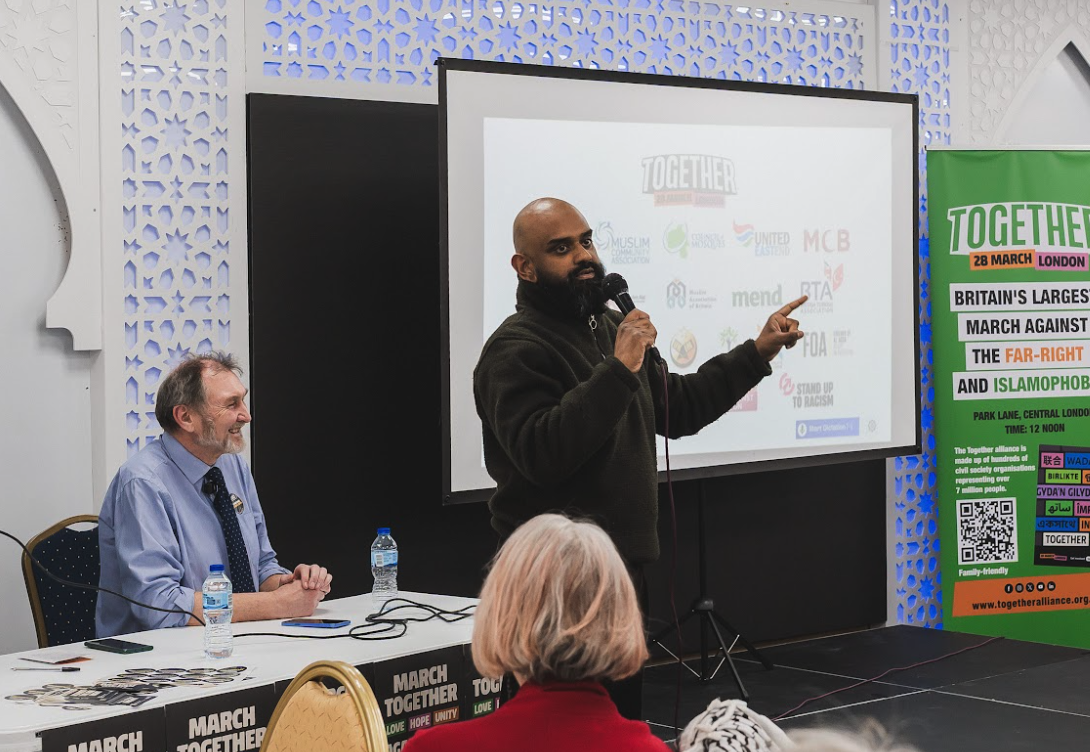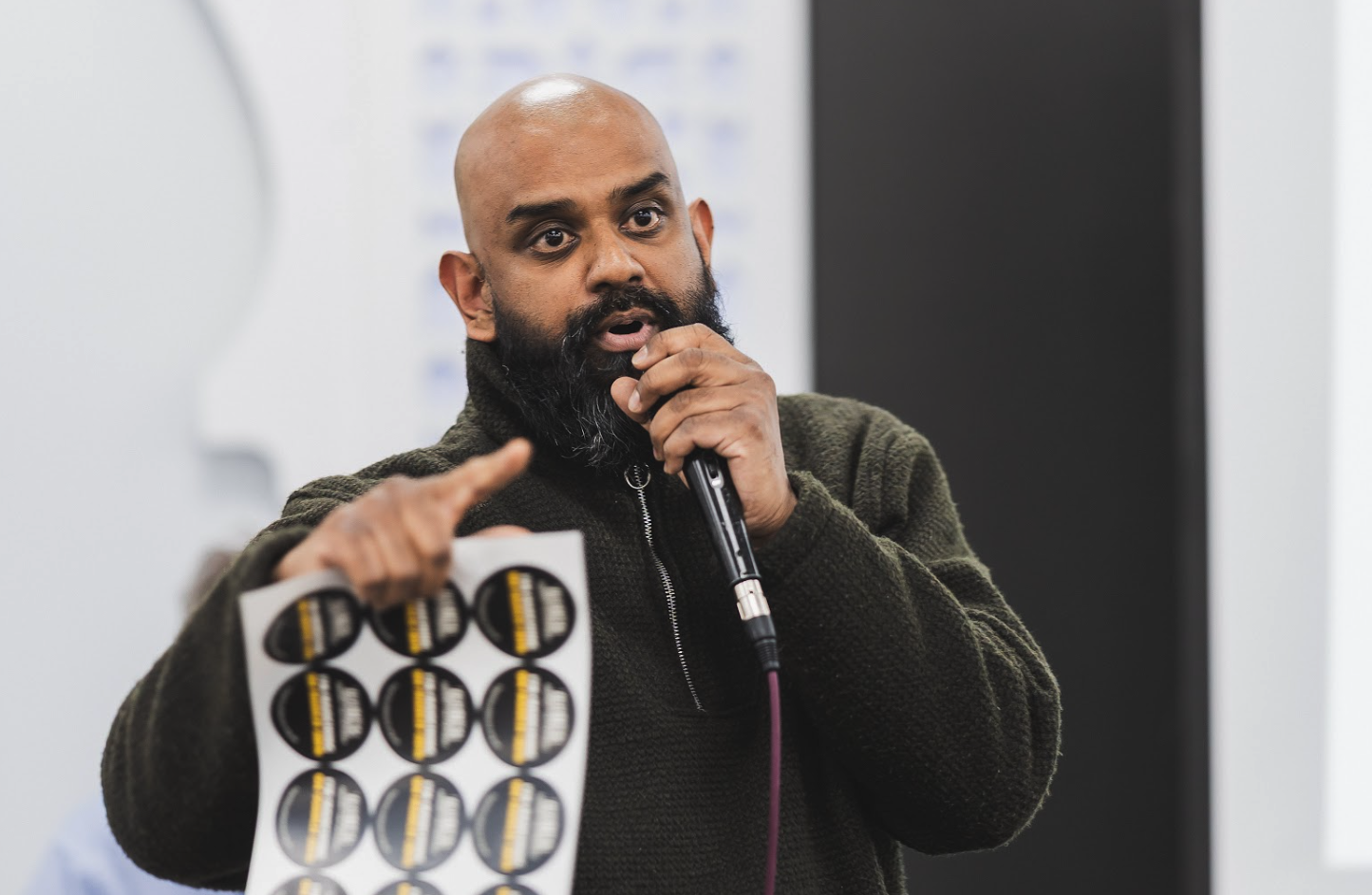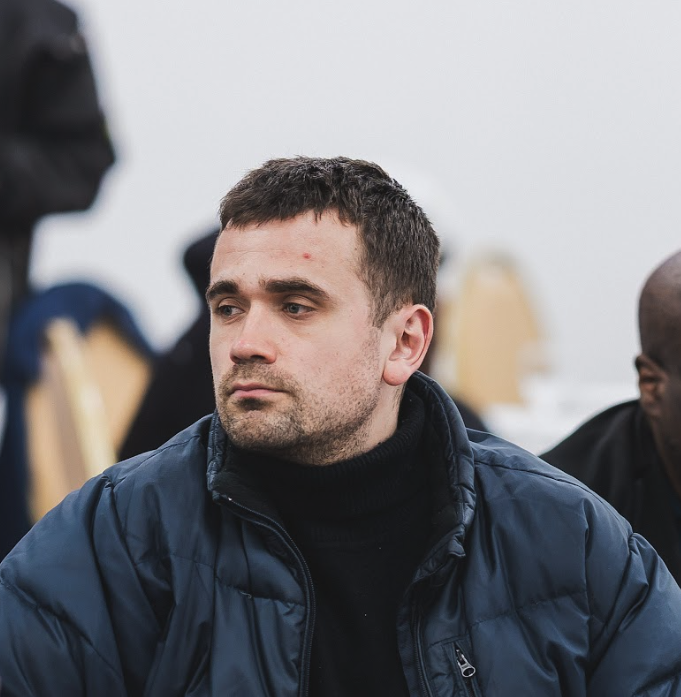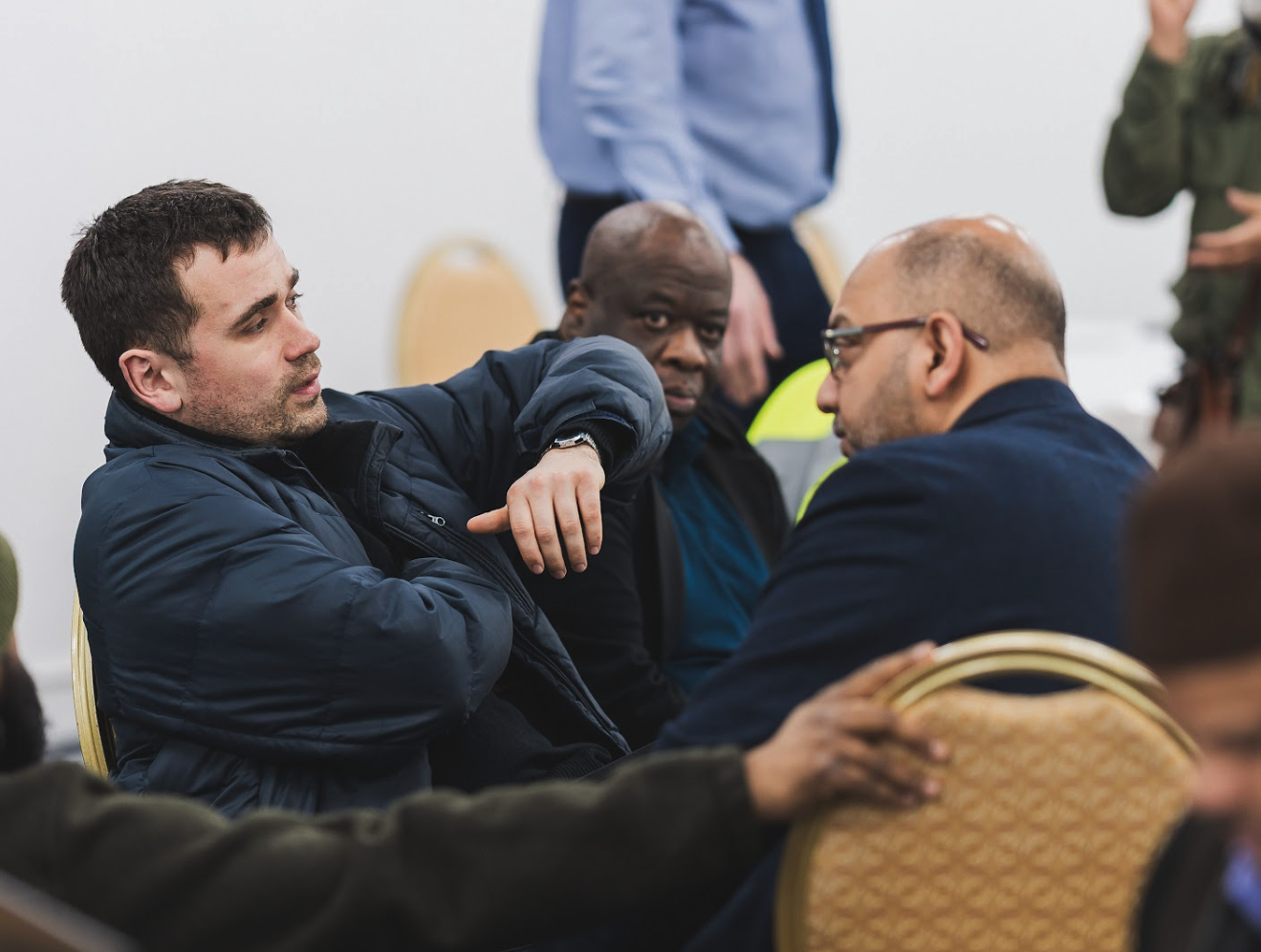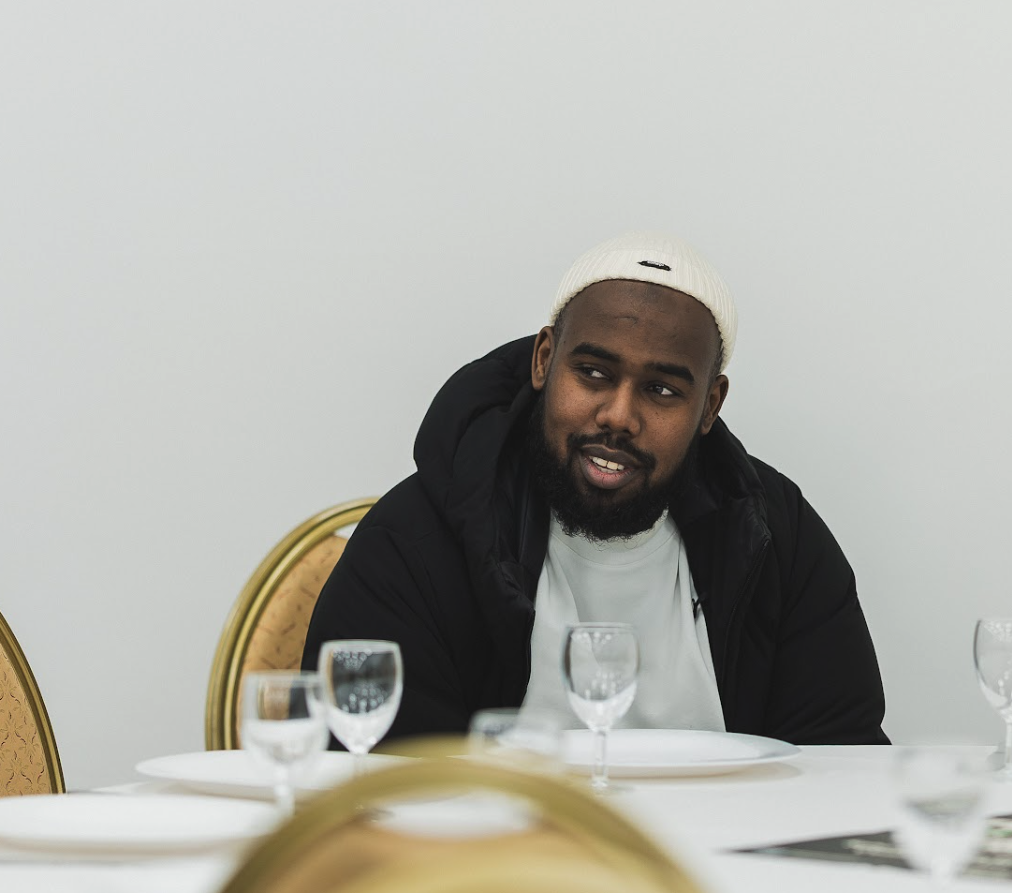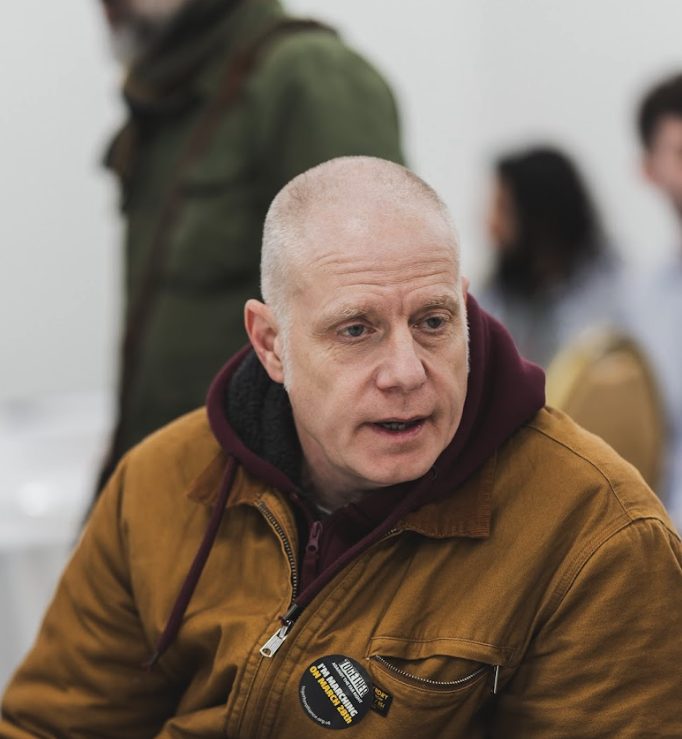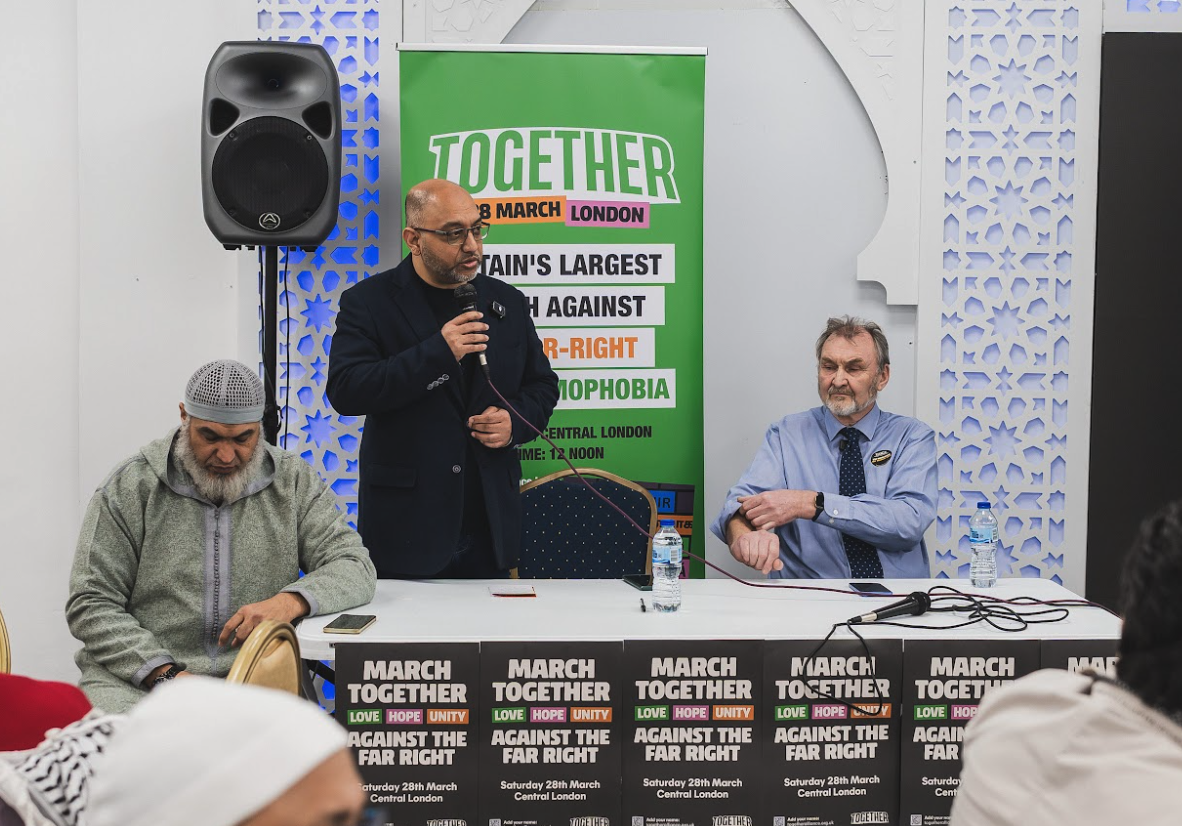
People of different faiths and none gathered in London last week for the Together Alliance Iftar, in what organisers described as a collective stand against the Far-Right and rising Islamophobia.
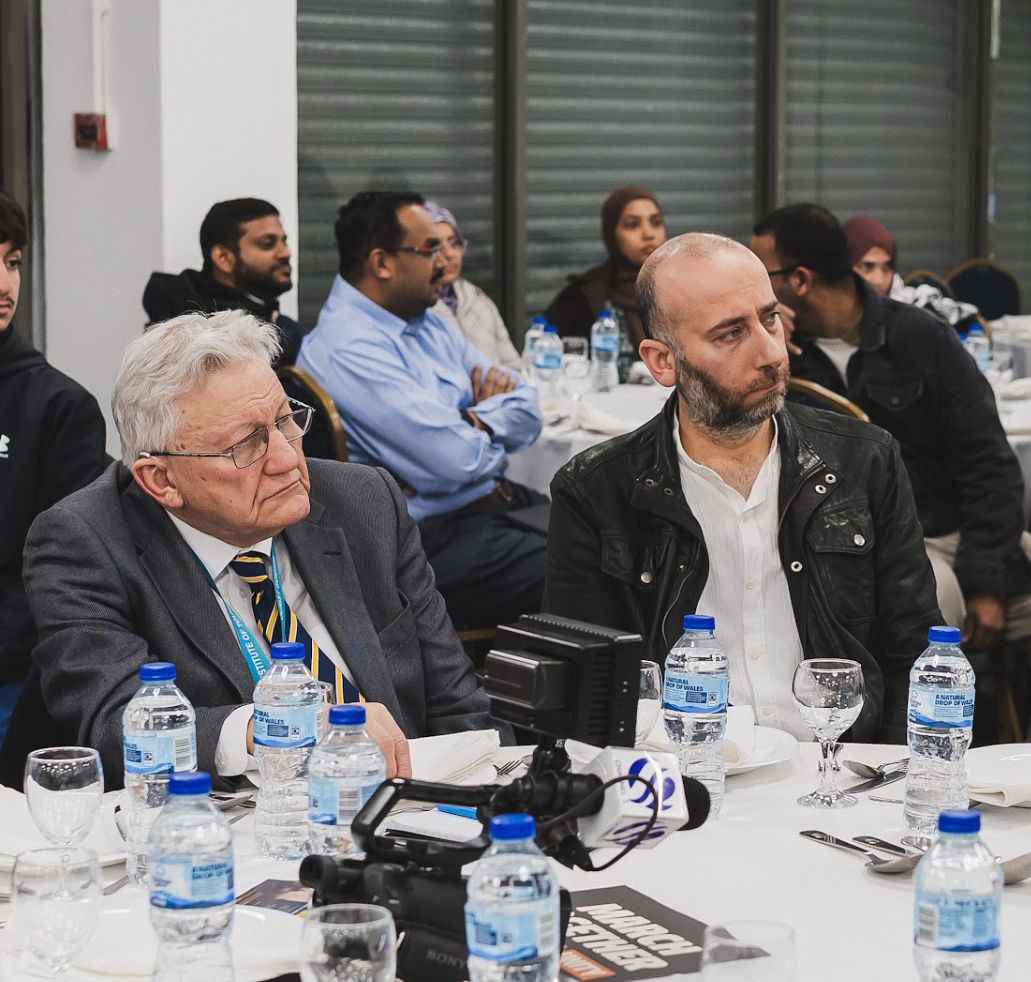
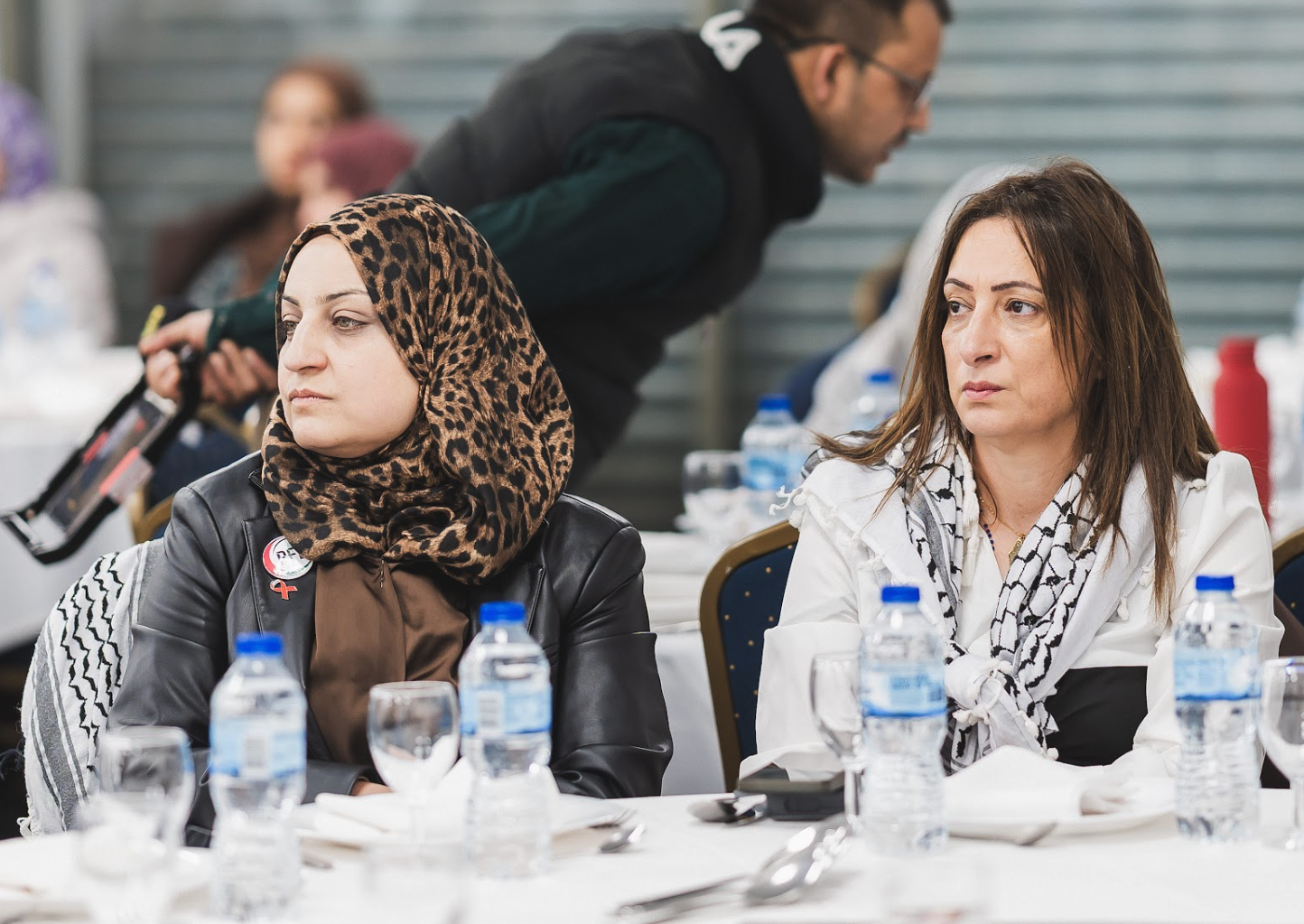
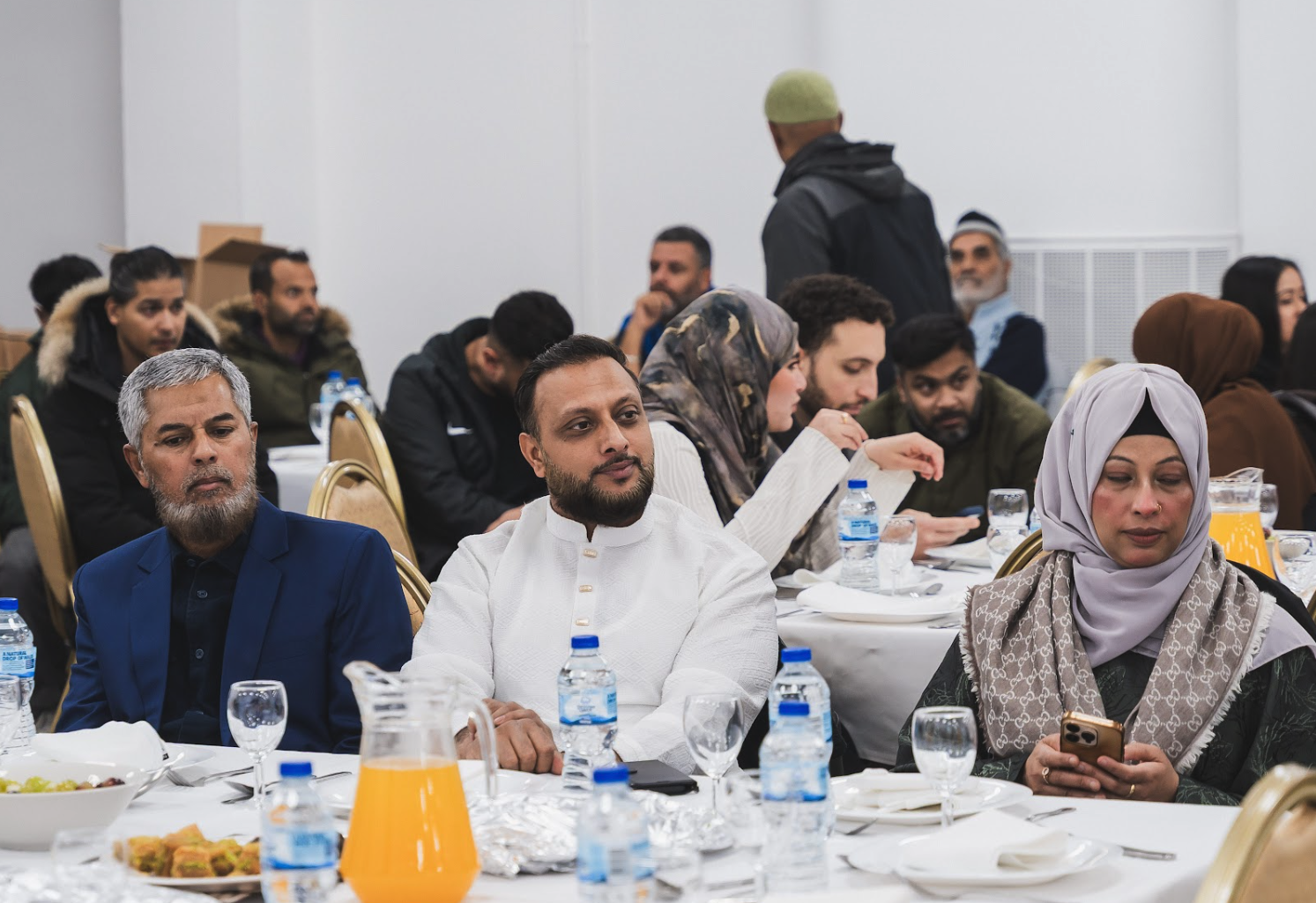
Around 200 guests attended the event, including representatives from major British Muslim organisations, advocacy groups and leading pro-Palestine campaigners. Those present reflected a broad cross-section of communities in London.
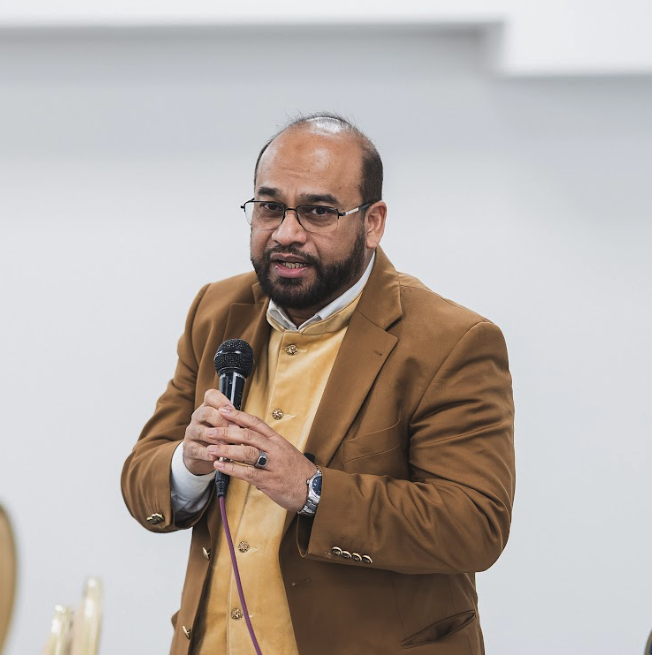
Dr Abdullah Faliq, managing director of The Cordoba Foundation and a member of the Together Alliance steering committee, moderated the event and opened proceedings by thanking participating organisations for their support and contribution to the alliance.
He also warned about the dangers posed by growing Islamophobia and the rise of far-right politics in Britain.
“Our inaction at a time of heightened Islamophobia and a surge in the Far-Right will have severe consequences for the entire community – and for generations to come,” said Faliq. “Unchecked racism and Islamophobia can lead to mass persecution as we tragically learned in the case of the Srebrenica genocide in Bosnia in 1995.”
Referring to the history of anti-fascist resistance in east London, Faliq added: “As we mark the 90th anniversary of the Battle of Cable Street, halting the march of Oswald Mosley’s Blackshirts (a quasi-military fascist group of thugs, modelled on Mussolini’s Squadrismo), we need to learn lessons, so history doesn’t repeat itself.”
Faliq stressed that while Mosley’s Blackshirts had targeted and scapegoated Jews in the past, today’s Far-Right movements were turning Muslims into their main target. He named the English Defence League, Britain First and UKIP among the groups pursuing what he described as the same politics of hate.
“The far right’s growing political momentum should concern everyone, particularly given the possibility of it entering government,” Faliq continued, stressing that this was a moment for urgent and proactive action rather than passivity. He described the Together Alliance national demonstration on 28 March as a necessary response.
Kevin Courtney, chair of the Together Alliance and former joint general secretary of the National Education Union, delivered the keynote address. He spoke about what he saw as both the international and domestic threat posed by the Far-Right.
“We see the threat of the Far-Right in power in the US — in relation to Gaza, Venezuela, Iran and Cuba. But it is not just a matter of foreign policy. We also see it domestically, with ICE in Minneapolis claiming to focus on ‘illegal’ migrants, while black and brown people are being arrested,” said Courtney.
Despite the seriousness of the threat, Courtney said there was still reason for optimism if communities organised together. Drawing on earlier examples of collective resistance, he pointed to the defeat of the British Union of Fascists at Cable Street in 1936 and said communities in Tower Hamlets had also pushed back against UKIP.
“We said they shall not pass and we meant it,” Courtney added. “But the threat now is very real both from Tommy Robinson and from political parties. They attracted around 100,000 with vile rhetoric and Islamophobia, calling for remigration and so on.”
Courtney also cited what he said were examples of anti-Muslim rhetoric by public figures abroad. He alleged that Belgian Far-Right politician Philip Dewinter had said: “Islam is our real enemy, we have to get rid of Islam. Islam does not belong in Europe and Islam does not belong in the UK.”
He further added that Brian Tamaki, leader of New Zealand’s Destiny Church, had said: “Islam, Hinduism, Baháʼí, Buddhism — whatever else you’re into — they’re all false. We’ve got to clean our countries up. Get rid of everything that doesn’t receive Jesus Christ. Ban any public expression of other religions in our Christian nations. Ban halal. Ban burqas. Ban mosques, temples, shrines — we don’t want those in our countries.”
Courtney said the answer to such politics lay in broad-based unity. Praising the growth of the coalition, he said: “We started with three or four unions and the Palestine coalition including The Cordoba Foundation and the Muslim Council of Britain, led by Dr Abdullah Faliq. Now we have over 430 organisations, almost all the unions represented including nurses, midwives, teachers, faith groups, Christian Muslim and Jewish orgs and NGOs (eg. Amnesty, Greenpeace, Friends of the Earth).”
Maswood Ahmed, deputy secretary-general of the Muslim Council of Britain, also addressed the gathering. He repeated concerns over the rise of the Far-Right and increasing Islamophobia, while stressing the value of collaboration and coordination at a time of growing pressure on communities. Ahmed also highlighted the work of the Muslim Council of Britain and encouraged wider support for the Together Alliance.
Shamiul Joarder, speaking on behalf of Friends of Al-Aqsa, issued a direct call to action. “We know the threat; we know the problem but what are we going to do about it?” he asked. “We must take this seriously as this will affect each and every one of us here. The Together national demo should be our priority, let’s mobilise for the 28th of March.”
Dilowar Khan, from the Muslim Community Association, also urged collective action. “Now is the time to work together as the consequences of our inaction will be grave,” he said.
Other speakers from United East End, Stand Up To Racism, Palestine Forum in Britain and the British Turkish Association echoed the call, urging mosques and communities across the UK to mobilise for the Together demonstration on 28 March in central London.
The Together Alliance describes itself as a coalition of hundreds of civil society, faith and community organisations representing more than seven million people. Organisers say the 28 March demonstration is expected to be Britain’s largest protest against the far right and Islamophobia.